
Stove and kettle illustrating high-temperature coating use
Heat-Resistant Inorganic Fire-Protective Coating
An inorganic coating for evaluating protection of metal equipment exposed to elevated temperatures. The product is relevant to selected heating equipment and components where thermal exposure and coating adhesion are central requirements.
- Surface drying
- Less than 20 minutes
Free samples · Customer-paid freight · Flexible order quantities
Surfaces and applications
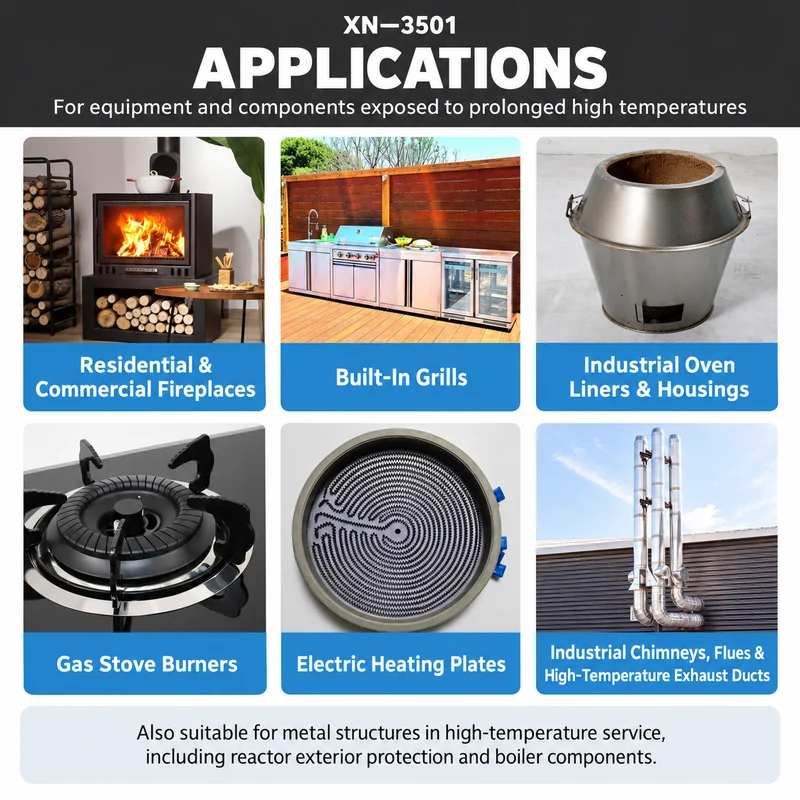
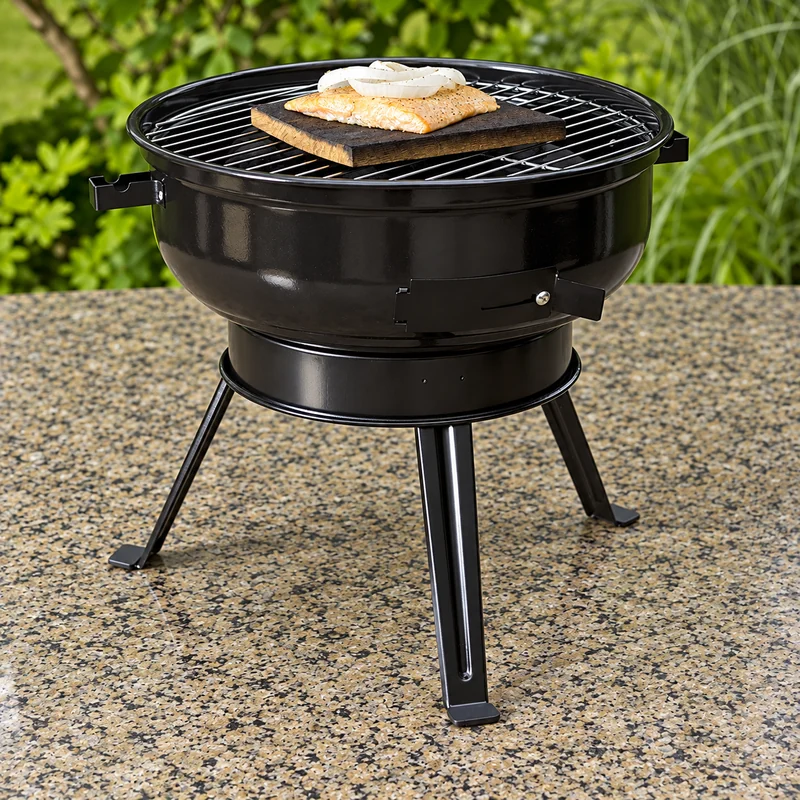
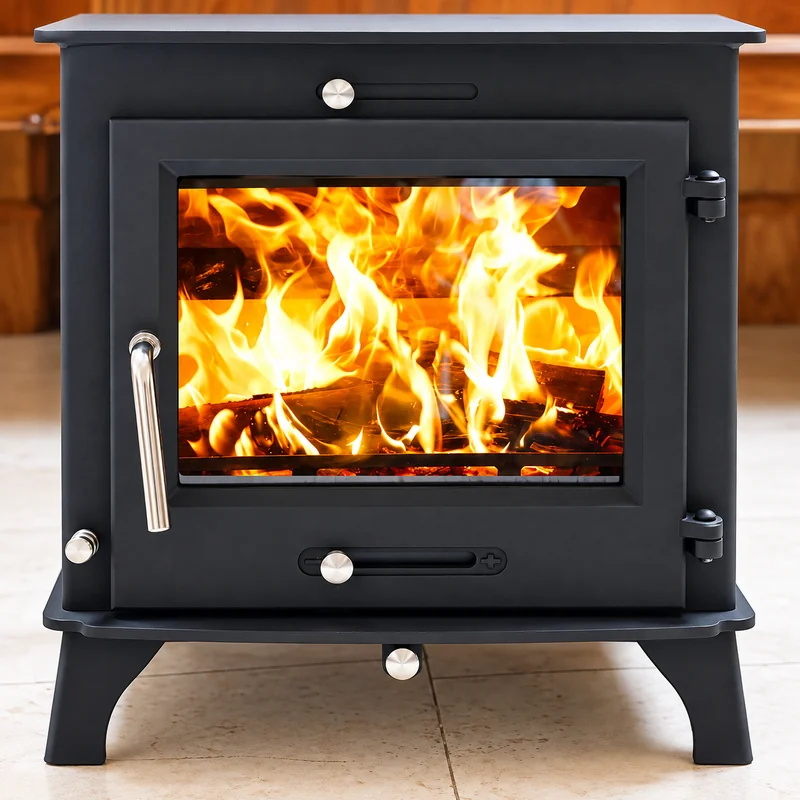
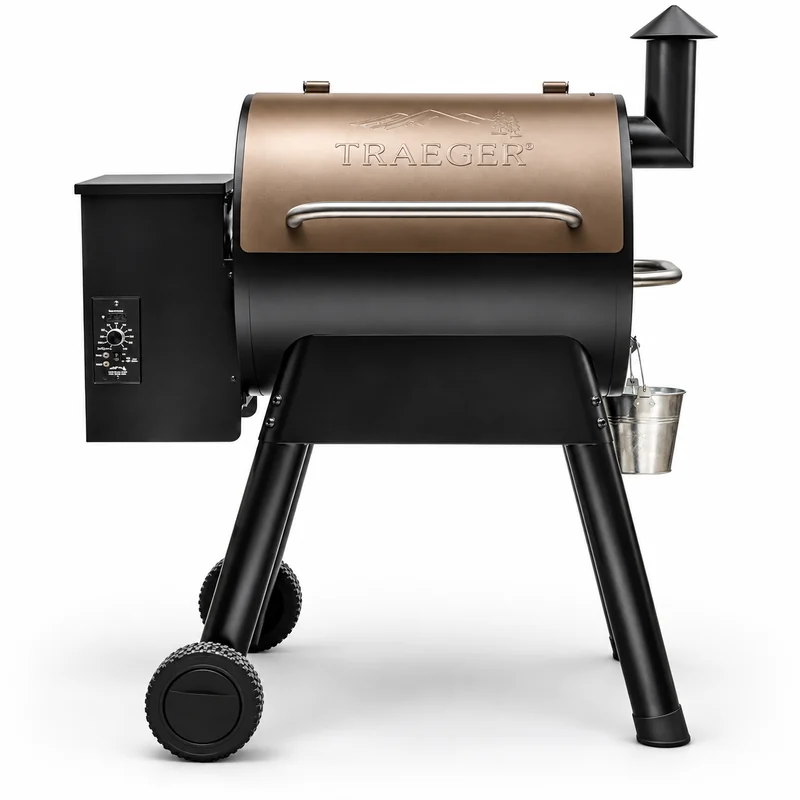
Selected stove and fireplace components, industrial heating equipment, flues and other compatible metal surfaces in high-temperature service.
Protection for high-temperature metal equipment
XN3501 is an inorganic modified coating for compatible metal surfaces exposed to high operating temperatures. Applications include fireplace components, gas-burner equipment, industrial ovens, chimney and flue surfaces, exhaust components, heating plates and selected boiler or reactor exteriors. Specify the coated part and its metal temperature, rather than using only the furnace or process-fluid temperature.
Specify continuous heat and temperature cycling
The continuous heat-resistance declaration is ≥750°C. Discuss the normal operating temperature, short excursions, heating rate and cooling cycle together, because temperature cycling and differences in substrate expansion can affect coating performance. Include chemical fumes, moisture during shutdown and cleaning exposure in the application description. A heat-resistant finish does not establish a structural fire-resistance duration for a building component.
Clean metal and controlled application
Remove oil, oxide, rust and contamination, and use abrasive preparation appropriate to the metal and specified coating system. Keep the prepared surface clean until application. Control the application to obtain an even finish, including welds, edges and changes in section. Check the trial for coverage, adhesion and appearance after the full thermal cycle required for the equipment.
Drying and first heat exposure
Surface drying is listed as less than 20 minutes. Room-temperature drying and a thermal route of 230–260°C for 20–30 minutes are available process descriptions; choose the route for the actual component and production equipment. A touch-dry surface should not be treated as proof that the complete coating is ready for full service temperature. Agree the first heating sequence with the application requirements and inspect after cooling.
Information for equipment builders
Provide metal grade, surface condition, dimensions, heated and unheated areas, service temperature profile and expected atmosphere. Include the available preparation and curing equipment and the required finish. These details help connect the coating to the production process, especially for assembled parts containing seals, insulation, brazed joints or other temperature-sensitive materials.
Continue Your Selection
Technical and supply details
| Property | Detail |
|---|---|
| Grade | XN3501 |
| Binder and fillers | Inorganic modified resin, heat-resistant pigments and functional fillers |
| Compatible metals | Carbon steel, stainless steel and cast iron |
| Listed solids | 45 + 1% |
| Viscosity | 50–100 cP |
| Surface drying | Less than 20 minutes |
| Curing routes | Room-temperature drying or 230–260°C for 20–30 minutes |
| Continuous heat-resistance declaration | ≥750°C |
| Hardness | ≥6H |
| Listed gloss | <20 |
| Finish | Smooth, even surface |
| Preparation | Clean metal; abrasive preparation appropriate to the substrate and coating system |
Prepare. Apply. Evaluate.
- 01
Define the heat duty
Record metal temperatures, cycles, atmosphere and cleaning exposure.
- 02
Prepare the metal
Remove contamination and perform the specified abrasive preparation.
- 03
Apply uniformly
Coat the prepared part evenly and inspect complex edges and welds.
- 04
Dry or heat cure
Use the selected room-temperature route or 230–260°C for 20–30 minutes.
- 05
Check the thermal cycle
Inspect the coating after the agreed first heating and cooling sequence.
Define the substrate preparation and cure cycle before coating. Evaluate the film through the actual heating and cooling profile, including peak temperature, dwell time and any direct flame exposure. Surface protection for hot equipment and fire-resistance classification for a building element are different requirements.
Product and application gallery
Samples and ordering
Free samples are available; freight is paid by the customer. Order quantities vary by product and packaging. Many bulk coatings start at approximately 50 kg; contact sales for a flexible starting quantity. The usual order lead time is 10–20 days after details are confirmed, with shipping time additional. Include OEM requirements in your enquiry.
Frequently asked questions
Does heat resistance establish a structural fire rating?
No. A fire-resistance rating concerns a tested assembly and defined conditions. Select this coating against the equipment’s actual surface-protection duty.
How should operating temperature be specified?
Use the detailed product specification and the actual exposure cycle. Continuous service, short peaks and direct flame exposure are not interchangeable.
Is the product a structural fireproofing system?
It is a heat-resistant metal-surface coating. Structural fire resistance requires a tested construction system and its own classification.
Which temperature should an equipment enquiry include?
Provide the temperature at the coated metal, together with normal operation, peak excursions and heating/cooling cycles.
Discuss this product
Provide the metal type, normal and peak surface temperatures, dwell time, atmosphere, thermal cycling and required test specification.
- sales@leadercoat.com
- Phone & WhatsApp
- +86 151 7525 6533
- Sample support
- Free samples. Customer-paid freight.