

Read by the decision you need to make
Selection guides compare product roles and help separate similar names or visual effects. Application notes turn a sample into a repeatable process record. Purchasing guides explain the technical and commercial details that make an enquiry useful. Use the individual product page alongside a guide, because packaging, drying, cure and coverage remain specific to the selected material.
Keep units and conditions with every value
A coverage value needs its mass or volume unit and coat count. A drying time needs the product and relevant conditions. Contact angle, hardness and heat resistance describe different properties and should not be substituted for one another. Preserve the grade and test conditions when sharing a technical requirement with an applicator or supplier.
Use the guides in a sample review
Read the guide relevant to the task, prepare a representative surface and record what changes during the trial. Include photographs of the original finish and completed result. For an unsuccessful trial, describe the exact issue and where it occurs, such as film tearing at an edge or a visible change in gloss. A precise observation helps make the next product or process discussion more productive.
Peelable Coating or Adhesive Protective Film?
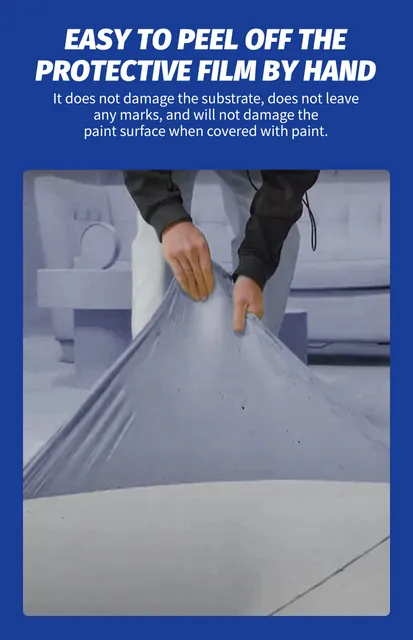
A peelable coating is applied as a liquid and dries into a removable film. Adhesive protective film arrives as a sheet or roll and is fitted to the surface. The practical choice depends on geometry, preparation, application time and removal after the protection period.
Water-Washable Vehicle Paint and Peelable Wheel Film: Choosing the Removal Method
Water-washable vehicle paint and peelable wheel film serve different removal requirements. Washable paint is selected for water-assisted removal. Peelable wheel coating forms a film intended to be lifted and peeled from a compatible wheel finish.
How to Plan a Peelable Coating Sample Trial
A useful peelable coating trial checks the whole protection cycle: preparation, application, drying, service exposure and removal. Use a representative surface and write down the conditions so the result can guide a purchasing decision.
What to Include in a Glass Flake Coating Enquiry
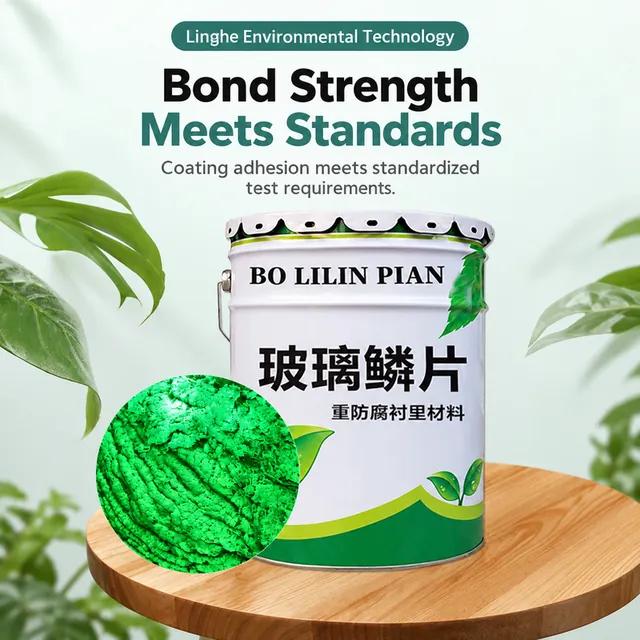
A glass flake coating enquiry needs more than the name of the tank or equipment. The substrate, chemical environment, temperature and complete lining system define the duty the material must meet.
Glass Flake Mastic and Glass Flake Coating: Comparing Their Roles
Glass flake mastic and glass flake coating are related product types, but their role in a protection system can differ. Select the resin system, application layer and required build together rather than treating the product names as interchangeable.
What Water Beading Tells You About a Hydrophobic Surface
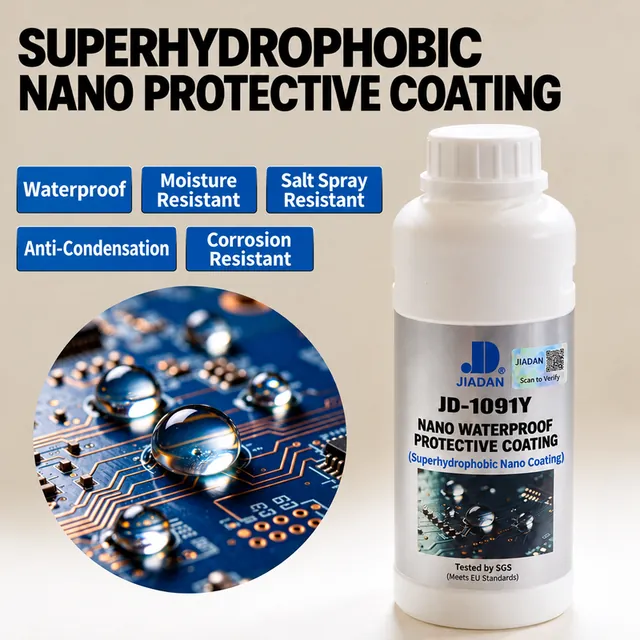
Water beading shows how water interacts with a surface under the conditions observed. It is a useful surface observation, but it does not by itself establish waterproofing, electrical protection, long-term durability or improved heat-transfer performance.
Hydrophobic Tile Treatments and Slip Performance
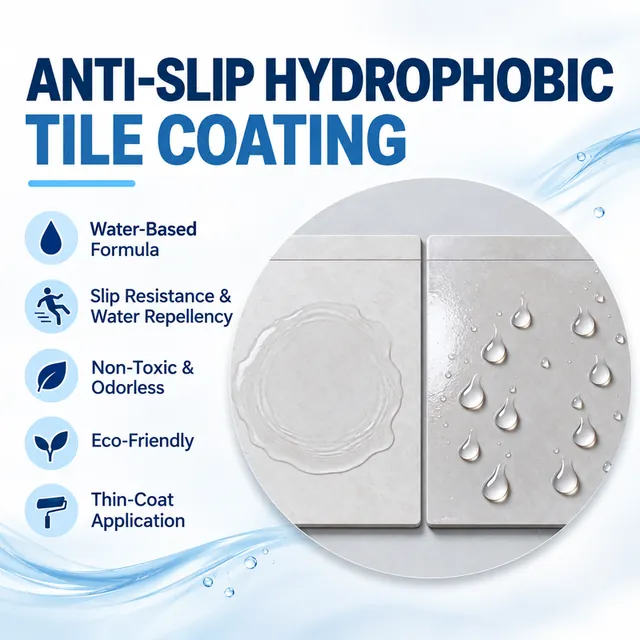
Water repellency and slip performance are separate properties. A tile treatment should be evaluated for the intended floor or wall use, with particular attention to wet conditions, cleaning and the appearance of the original tile.
What to Send with a Coating Enquiry or Sample Request
A clear enquiry connects the product to the surface, process and quantity. You can request a quotation and a free sample through the same form; select the sample option and include the application details.