
Selection Notes
Match the surface function to the application. Water beading alone does not establish device ingress protection, heat-transfer efficiency, floor slip resistance or waterproofing of a complete structure.
Compare the Products
Product | Format | Selection Reference |
|---|---|---|
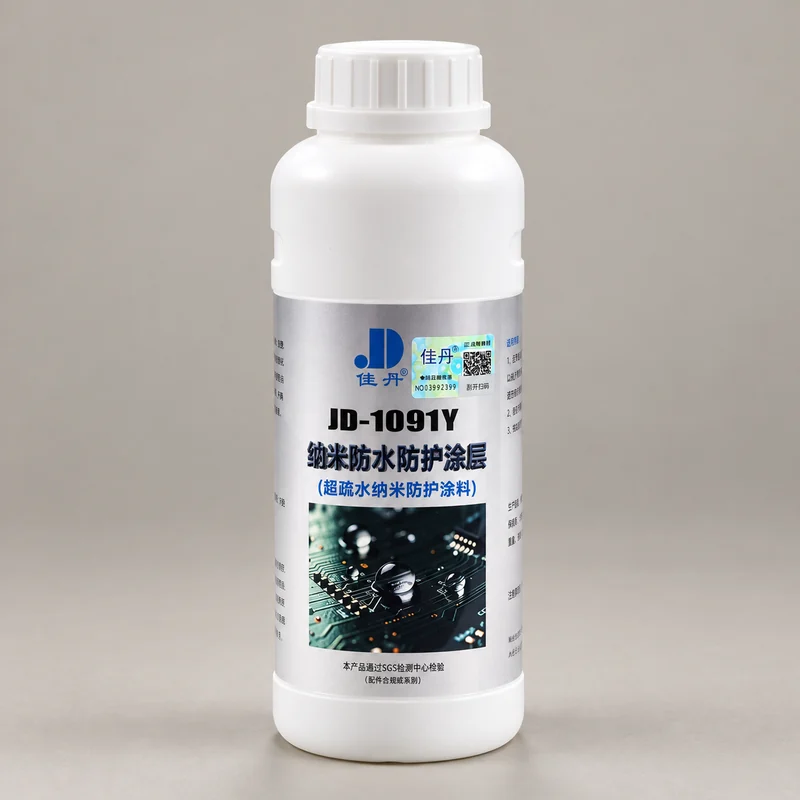
Superhydrophobic Nano Protective Coating for PCBA Circuit Boards | 300 g trial; 500 g; 1,000 g | JD1091Y; 1–3 μm film; 3–5-second dip; 30-minute hard drying |
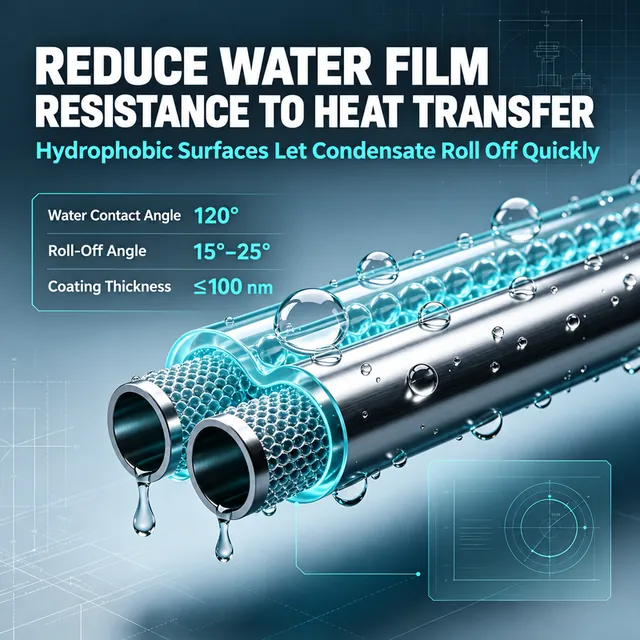
1 kg | 115° water contact angle; <100 nm film; condensation-surface application | |
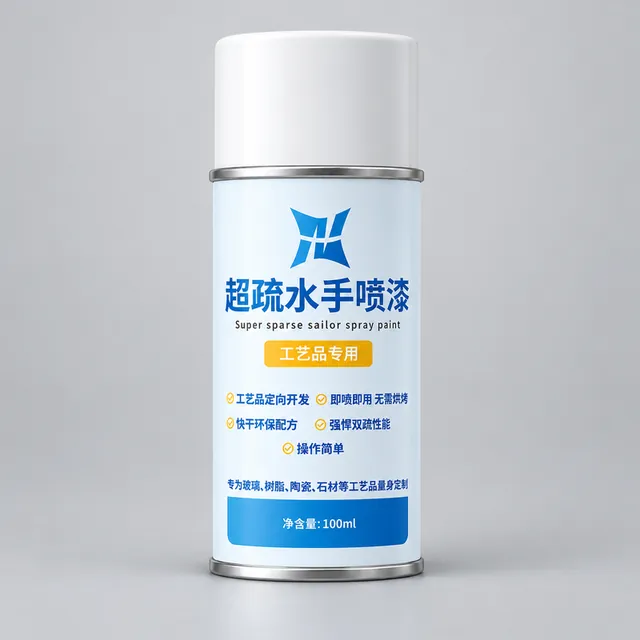
100 ml aerosol | Two or three light coats; 60-minute room-temperature drying reference | |
100 g; 1,000 g | XN-5579R; >105° water contact angle; performance tests after at least five days | |
200 ml; 1,000 ml | Ready to use; wipe after about 30 minutes; 24-hour cure |
Five applications require five different comparisons
PCBA treatment focuses on a thin coating around an electronic assembly. Dropwise-condensation treatment focuses on a metal heat-transfer surface. Craft spray focuses on decorative objects, while stone and tile products address surface maintenance. Choose the actual use before comparing contact angles. The highest number does not establish the best result for a different substrate or function.
Compare the supplied form and curing process
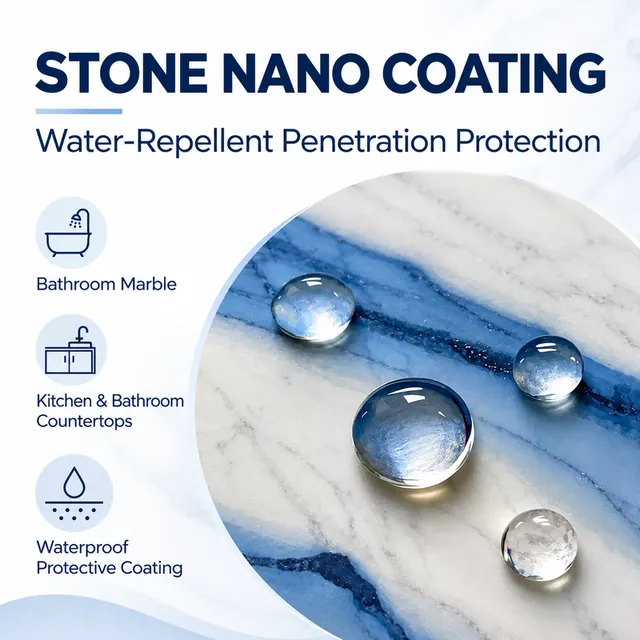
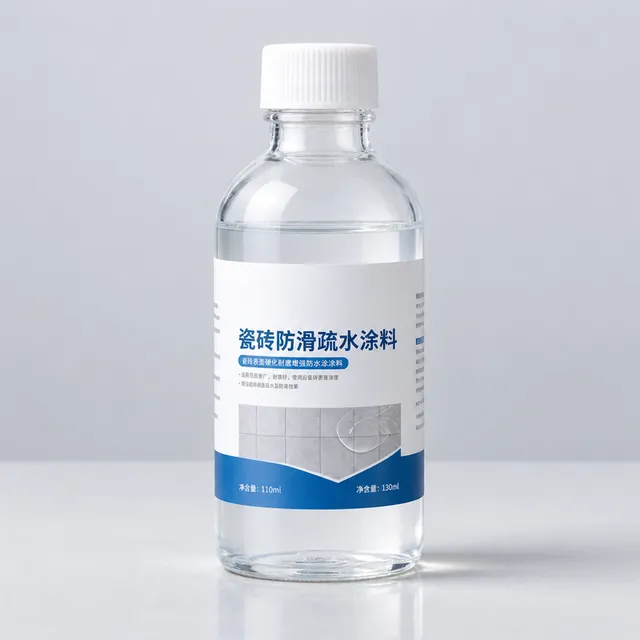
JD1091Y PCBA coating lists a 1–3 μm film, a 3–5-second dip and 30-minute hard drying. Craft spray uses two or three light coats and a 60-minute drying reference. XN-5579R stone treatment allows room-temperature processing or 150°C curing on suitable materials, with performance evaluation after at least five days. Tile treatment is ready to use, requires residual wiping after about 30 minutes and a 24-hour cure.
Read contact angles with their application
The selected declarations are ≥155° for PCBA treatment, 115° for dropwise condensation, 160° water contact angle for craft spray, >105° for stone treatment and 110° for tile treatment. These are product-specific references, not a controlled ranking across identical surfaces. Substrate preparation, film build and curing affect the result, so use representative samples for purchasing decisions.
Measure the function the customer needs
For electronics, include electrical function and environmental exposure. For condensation, compare heat-transfer performance under consistent conditions. For stone, inspect absorption, staining, appearance and cleaning. For tile floors, include slip performance independently of water beading. For crafts, check the original paint, colour and handling resistance. Record the cleaning and wear conditions when assessing durability.