
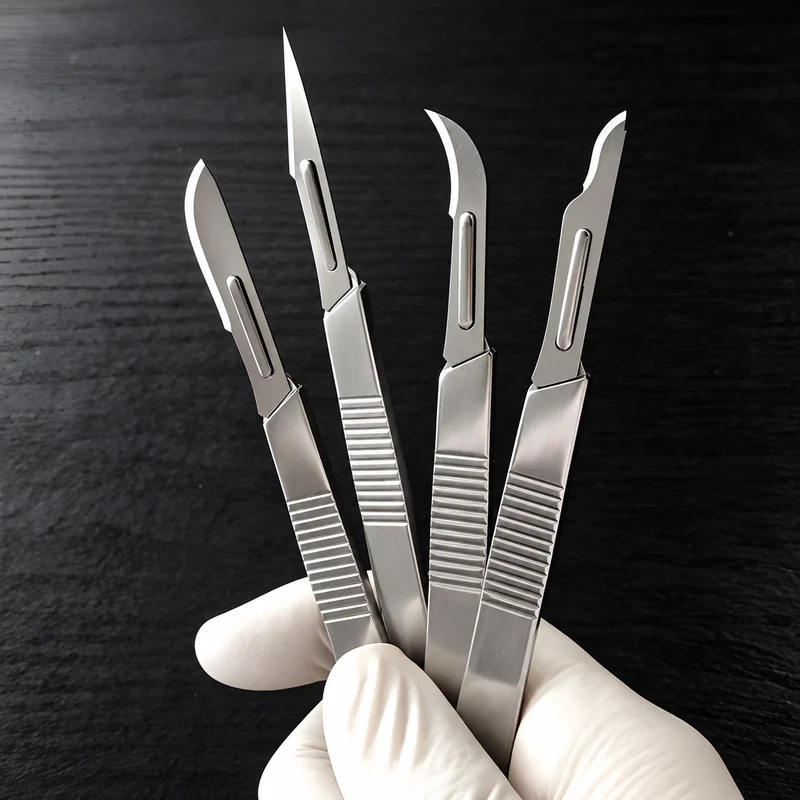
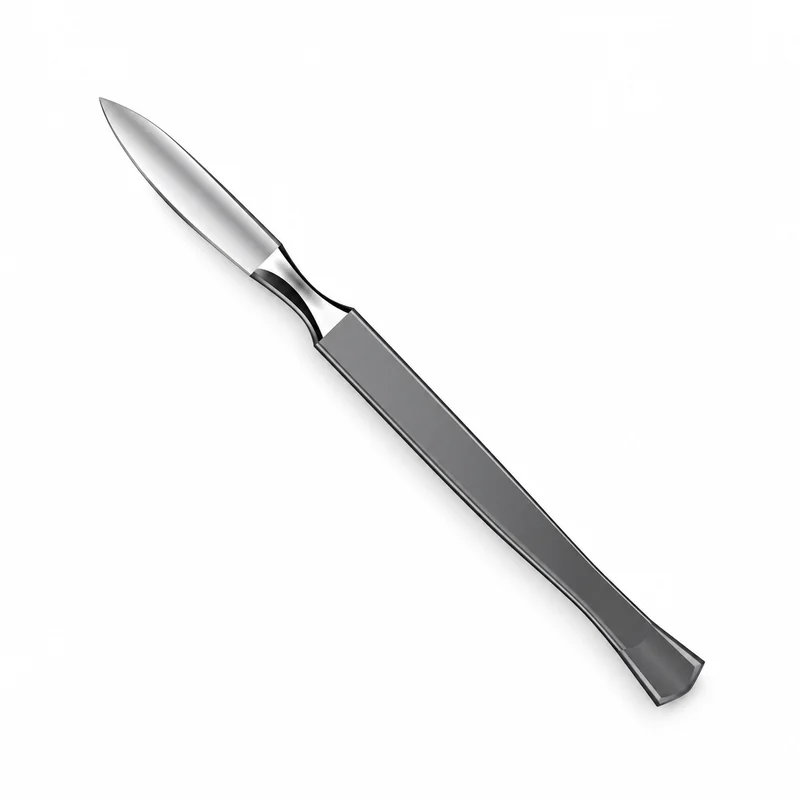
Metal instruments illustrating hydrophobic surface treatment
Hydrophobic, Non-Stick and Anti-Fingerprint Coating for Medical Devices
A surface-treatment coating for development and evaluation on selected medical-device materials. It targets hydrophobic, non-stick and anti-fingerprint surface functions while allowing the device manufacturer to assess the complete coated component.
- Supply form
- Single-component homogeneous liquid
- Available packs
- 200 ml and 1,000 ml
Free samples · Customer-paid freight · Flexible order quantities
Surfaces and applications
Selected metal instrument and equipment surfaces where the device design requires a controlled functional coating.
A surface-treatment material for device development
XN6203 is a single-component surface-treatment material for compatible metal parts used in medical-device manufacturing and related equipment. The formulation uses modified polysiloxane with a Sol-Gel/polymer nanocomposite approach. Potential components include selected surgical forceps or scissors, sterilisation containers and trays, and metal parts of diagnostic equipment. Select the material within the finished device's design and validation process.
Substrate and component compatibility
Candidate substrates include stainless steel, titanium and titanium alloys, aluminium and aluminium alloys, and selected iron or copper alloys. Remove old weak coatings, rust, oil, oxides and dust, then clean and dry the surface. Apply promptly after preparation. The complete assembly must tolerate the 180–200°C cure, including joints, adhesives, seals and any installed components.
A controlled thin-film spray process
Mix the material evenly and filter it for the application equipment. Use clean spray equipment and define the exact coating boundary, especially around working edges, mating surfaces and dimensions with close tolerances. The listed spray settings are 0.3–0.4 MPa at 15–25 cm, producing a 3–6 μm film. Apply at 5–35°C and 40–75% relative humidity, then cure at 180–200°C for 30 minutes.
Assess the finished device and intended contact
Material heat resistance and hardness do not establish medical-device approval. Biological evaluation must follow the intended contact type and duration, using the relevant GB/T 16886 series framework or other requirements applicable to the target market. Include the finished coating, substrate, processing residues and cleaning or sterilisation cycle in the evaluation. Determine the documentation and tests for the actual device before patient-contact use.
Cleaning, sterilisation and repeated use
Define the detergents, disinfectants, sterilisation method and number of reuse cycles. Inspect adhesion, appearance, wear and function after those cycles, particularly at hinges, edges and areas exposed to contact or abrasion. The listed long-term >300°C and short-term >500°C heat-resistance values are material declarations; they do not establish compatibility with every sterilisation process or guarantee retained device performance.
Storage and production handling
Keep the product in a clean, tightly closed original container at 5–30°C, away from heat and light in a ventilated storage area. Use stock in receipt order and prevent contamination during dispensing. Include the substrate, component drawing or photographs, coating boundary, cure capability and validation requirements with the enquiry.
Continue Your Selection
Technical and supply details
| Property | Detail |
|---|---|
| Grade | XN6203 |
| Technology | Sol-Gel / polymer nanocomposite with modified polysiloxane |
| Supply form | Single-component homogeneous liquid |
| Listed solids | 40 + 1% |
| pH | 6.5–7 |
| Viscosity | 7–9 cP |
| Hardness | 4–6H |
| Heat cure | 180–200°C for 30 minutes |
| Listed long-term heat resistance | >300°C |
| Listed short-term heat resistance | >500°C |
| Spray pressure | 0.3–0.4 MPa |
| Spray distance | 15–25 cm |
| Film thickness | 3–6 μm |
| Application environment | 5–35°C; 40–75% relative humidity |
| Available packs | 200 ml and 1,000 ml |
| Storage | 5–30°C, sealed, cool, ventilated and protected from light and heat |
Prepare. Apply. Evaluate.
- 01
Define the component
Identify substrate, coating boundary, tolerances, intended contact and cleaning or sterilisation duty.
- 02
Prepare
Remove old weak coating and contaminants, then clean and dry thoroughly.
- 03
Mix, filter and spray
Use 0.3–0.4 MPa at 15–25 cm and control film thickness to 3–6 μm.
- 04
Cure
Heat the compatible component at 180–200°C for 30 minutes.
- 05
Validate
Check the finished component against its mechanical, cleaning, sterilisation and biological evaluation requirements.
Define the substrate, surface preparation, coating thickness and cure process within the manufacturing specification. Evaluate adhesion, cleaning durability, sterilisation compatibility and the finished device’s intended contact conditions. Product selection is tied to the exact coated component and supporting test documentation.
Product and application gallery


Samples and ordering
Free samples are available; freight is paid by the customer. Order quantities vary by product and packaging. Many bulk coatings start at approximately 50 kg; contact sales for a flexible starting quantity. The usual order lead time is 10–20 days after details are confirmed, with shipping time additional. Include OEM requirements in your enquiry.
Frequently asked questions
Does the coating alone establish approval of a medical device?
No. The finished device and its intended use require their own assessment and applicable approvals.
What information is useful for an initial discussion?
The substrate, device use, contact conditions, cleaning and sterilisation process, coating thickness and required tests help define a meaningful material evaluation.
Does buying the coating mean a medical device is approved?
No. The finished device requires the evaluation, documentation and approvals applicable to its intended use and destination market.
Can the coating be used on a heat-sensitive assembled device?
The listed cure is 180–200°C for 30 minutes. Every part present during curing must be compatible with that process.
Discuss this product
Provide the device material, intended contact, cleaning and sterilisation cycles, coating area, cure capability and required verification documents.
- sales@leadercoat.com
- Phone & WhatsApp
- +86 151 7525 6533
- Sample support
- Free samples. Customer-paid freight.