Temporary protection for finished areas
Renovation protection is applied to compatible finished surfaces before nearby work begins. It can help separate the finish from dust and incidental contamination during a defined work period. Identify every surface type in the room, including coated metal, glass, tiles and finished wood, and test them separately. A successful trial on glass does not establish compatibility with a newly painted cabinet or a porous stone surface.
Divide the room into practical work areas
Clean and dry the surface, then define the boundary of the protected zone. Keep hardware and moving or functional components clear. Work to edges that will be accessible for removal and inspect corners for gaps. Where equipment, heavy tools or building materials will be moved, add boards, cushioning or other suitable physical protection; a removable film is only one part of site protection.
Estimate material from the selected grade
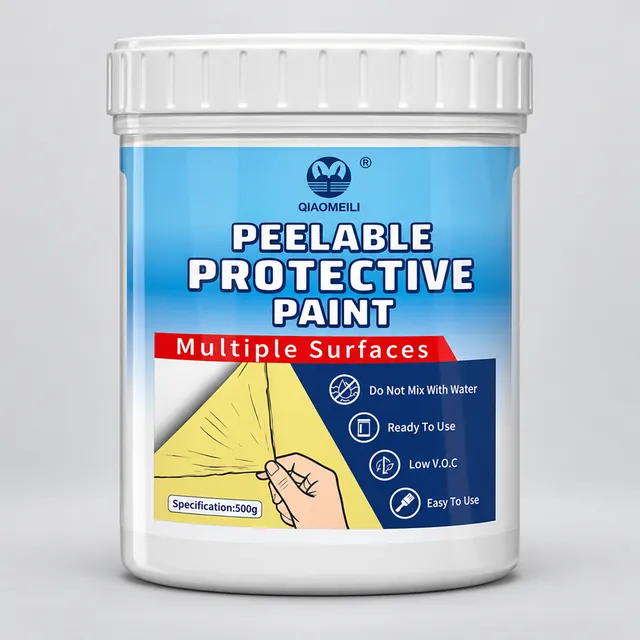
The renovation product is an acrylic-modified polyurethane coating available in 300 g, 500 g and 1 kg packs. Its listed reference coverage is approximately 8 m²/kg for one coat. Include repeat coats, texture, edges and losses when estimating a job. Drying figures from the separate general-purpose latex product should not be used as a substitute for checking this film under the site conditions.
Inspect and remove at handover
Check the protected area periodically for breaks or lifting edges and address exposed areas before contamination reaches the finish. At the end of the work, peel from an accessible edge and inspect for residue or changes in appearance. Provide the surface types, renovation duration, area and planned removal date with the enquiry. The listed shelf life is 24 months in suitable sealed storage.