Two different production tasks
Welding-protection coating addresses incidental weld spatter on compatible surfaces. Paint-masking coating is selected for a defined spray-paint process and subsequent removal. The coating must be assessed against the actual process: welding involves local exposure near the work, while paint masking also involves the paint chemistry, application sequence and possible oven cycle. Do not assume the two products share the same heat or solvent resistance.
Welding protection: application and drying
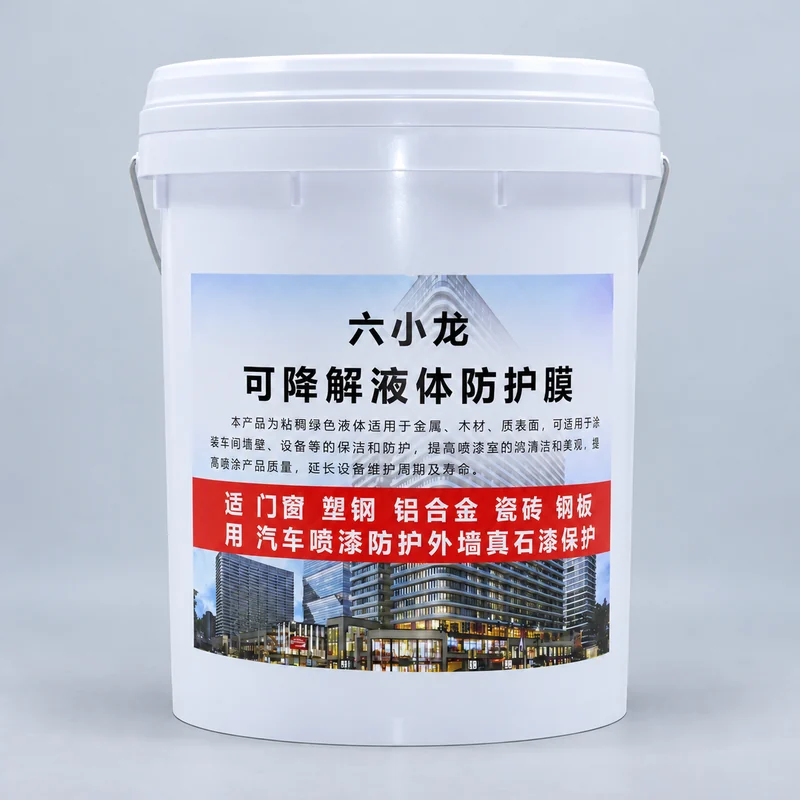
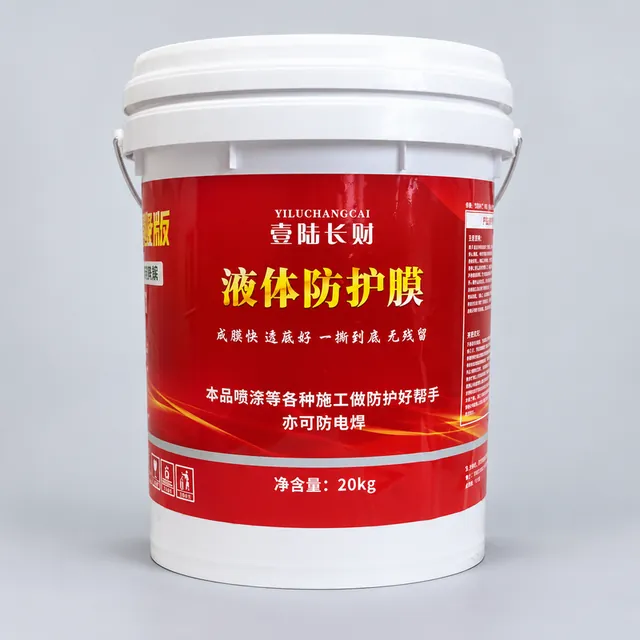
The green welding-protection coating lists a 20–30-minute surface-dry time and 40–60-minute film-formation time at room temperature. For spraying, a nozzle of at least 2 mm is specified. Its reference coverage is approximately 8 m²/kg at 0.1 mm wet film. Avoid application below 0°C. Controlled assisted drying is limited to 50°C; that figure describes drying assistance and is not a welding service-temperature rating.
Paint masking: establish the complete process
The peelable paint-masking coating is available in 5 kg and 20 kg packs. Its rapid initial film-formation description does not replace complete drying before process exposure. Specify paint type, contact duration, oven temperature if applicable and when the mask will be removed. Include an actual production panel in the sample trial, with inspection after painting and removal.
Keep functional areas and removal boundaries clear
Define where protection is allowed and where clean metal or precise contact is needed. Coat evenly around the protected zone and avoid trapping film in inaccessible features. Review spatter or paint contamination after removal and check the original surface. Send process temperatures, duration, application equipment and part photographs so the trial represents the intended operation.