
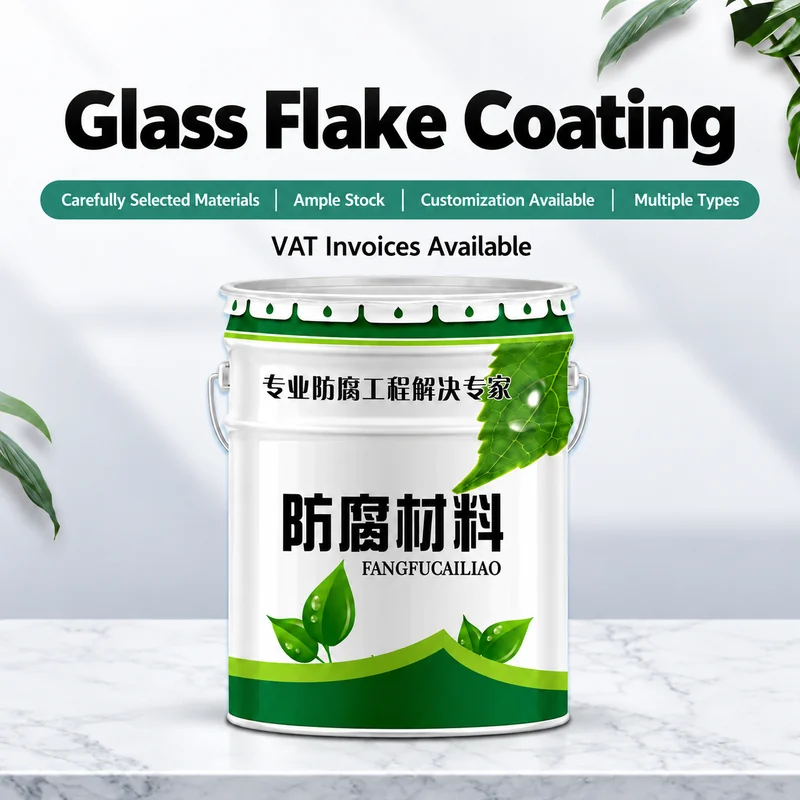
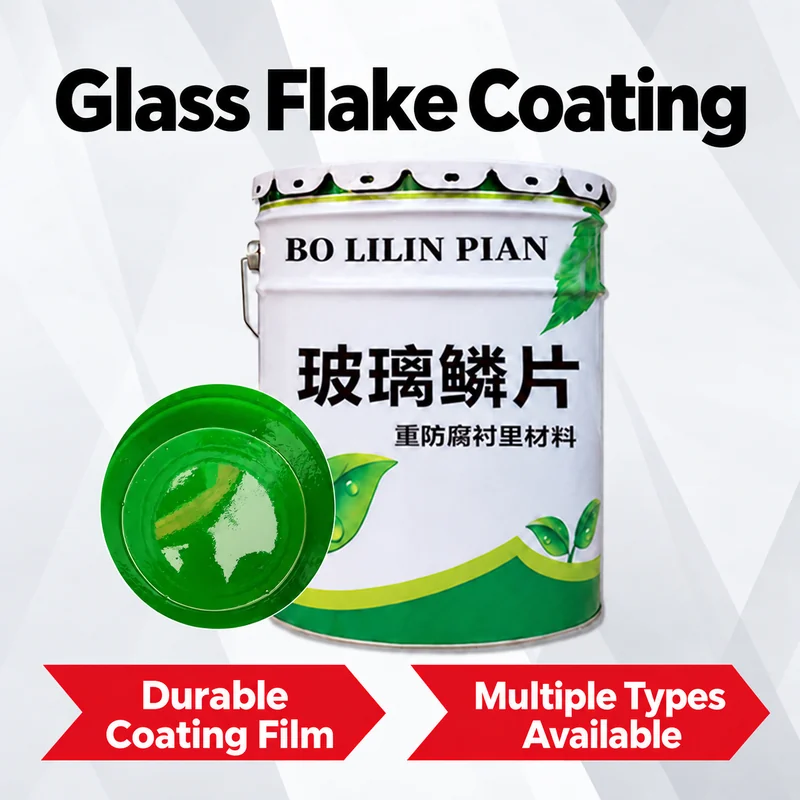
White pail of glass flake anti-corrosion coating
Anti-Corrosion Coatings
Vinyl Ester Glass Flake Anti-Corrosion Coating
A glass-flake-filled coating for industrial barrier protection. Selection centres on the exact resin formulation, the substrate and the chemical or moisture exposure that the finished system must withstand.
- Available colours
- White, black and grey; other colours by order arrangement
- Exposure information required
- Medium, concentration, temperature, immersion or splash and cleaning cycle
Surfaces & applications
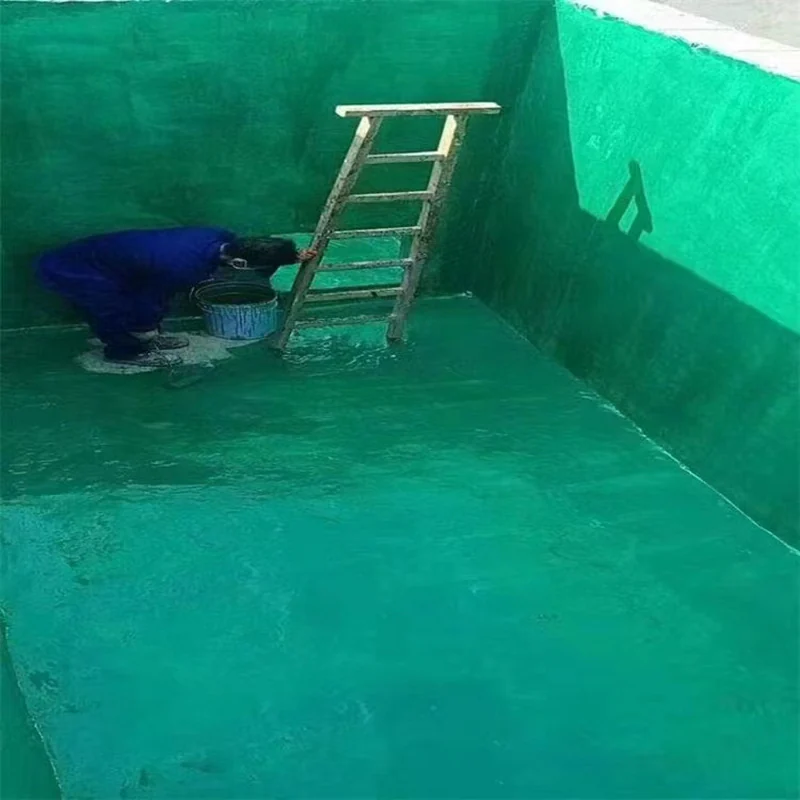
Selected wastewater facilities, process equipment, tank surfaces and industrial structures requiring a compatible corrosion-protection system.
A coating layer for defined corrosion service
This product is the vinyl ester glass-flake coating version. Glass flakes contribute a barrier within the resin film, while the complete protective system establishes adhesion to the substrate and coverage over the equipment. Colour options include white, black and grey, with other colours available through an agreed supply arrangement.
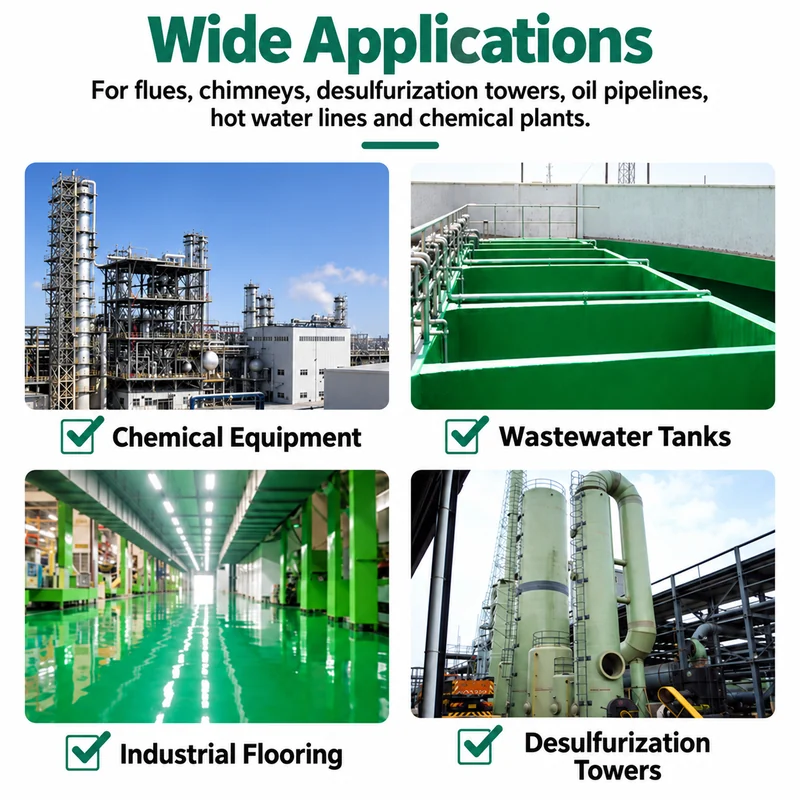
Equipment and exposure
Typical discussions concern wastewater tanks, flue-gas treatment and desulfurisation equipment, flues, pipework and chemical-process structures. A surface exposed to vapour and condensate can have different requirements from a continuously immersed tank. Include cleaning chemicals, concentration changes and temperature peaks rather than describing the service only as acid or alkali resistant.
How the coating differs from mastic
The coating and the mastic occupy different roles in a specified layer arrangement. Select the application method, required build and layer sequence around the exact product and substrate. Where a project uses both, the specification should identify the interface between the primer, mastic or barrier layer, and the finish. Resin identity remains consistent across the selected documentation.
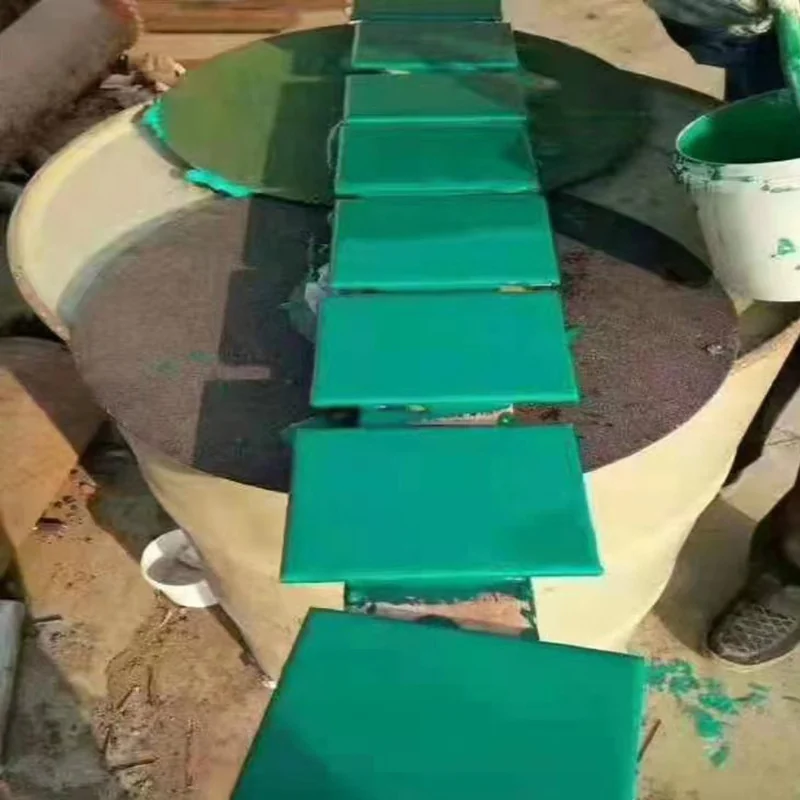
Preparation, cure and inspection
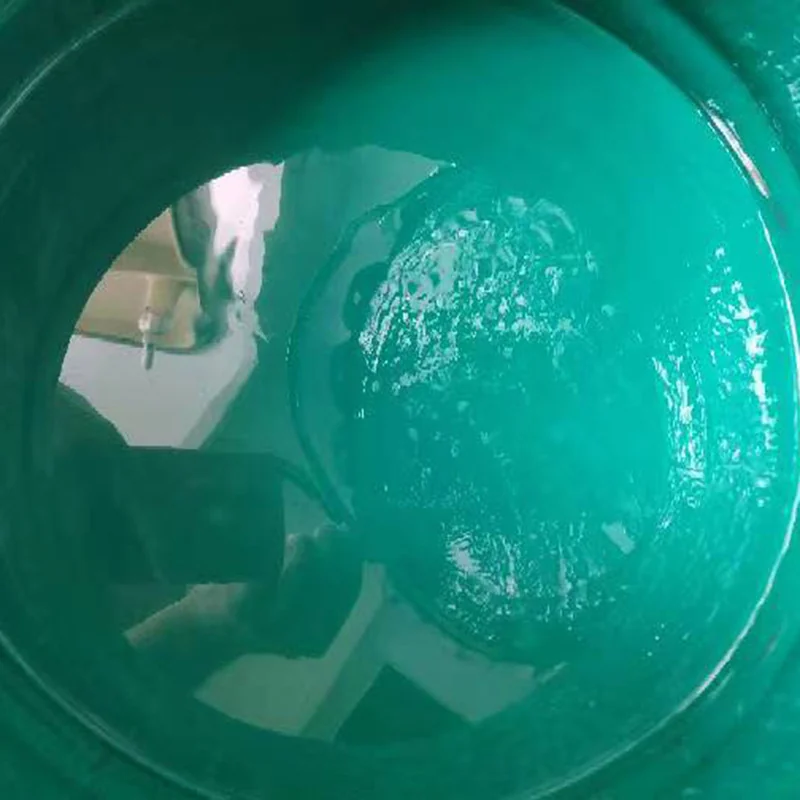
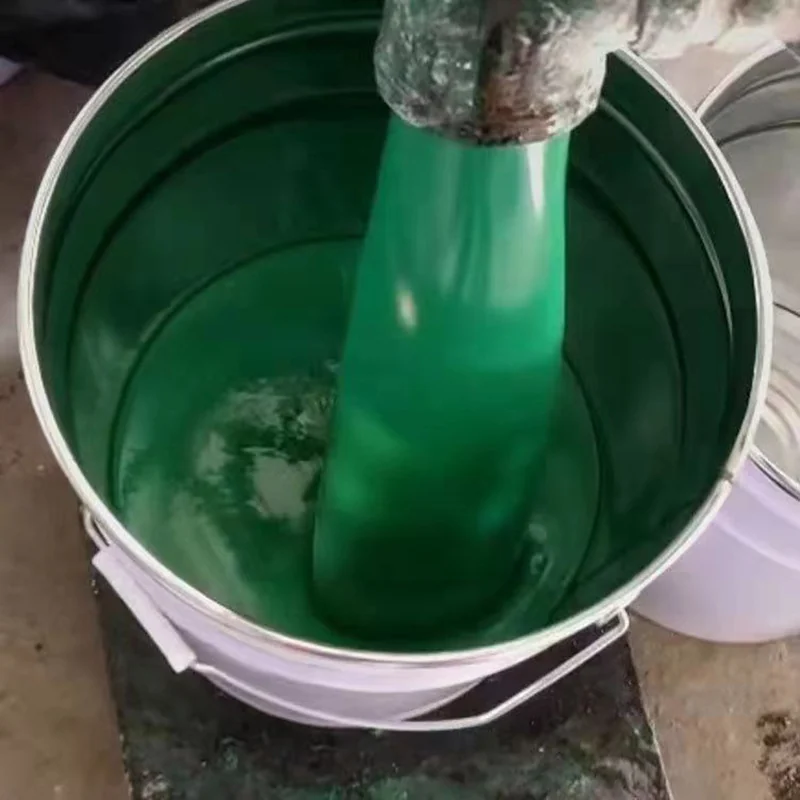
Clean and prepare the substrate before application and address edges, welds, penetrations and local defects. Mix and apply the selected vinyl ester material according to its supply instructions; component ratios from a different resin chemistry are not transferable. After curing, inspect the specified thickness, film continuity and appearance before exposing the lining to its service medium.
Purchasing a consistent coating system
For a quotation, provide the equipment description, surface area, substrate condition and operating environment. Include the required colour, application method, inspection criteria and delivery date. For maintenance work, identify the existing lining and the extent of removal or repair. Keep the selected resin family and product specification together in repeat orders.
Technical reference
Product specifications
Use these details alongside your substrate, application method and service conditions.
Discuss your requirements| Property | Detail |
|---|---|
| Resin family | Vinyl ester |
| Barrier filler | Glass flakes |
| Available colours | White, black and grey; other colours by order arrangement |
| Application scope | Industrial corrosion protection for specified equipment and structures |
| Typical equipment | Wastewater tanks, desulfurisation equipment, flues, pipework and chemical-process structures |
| System selection | Compatible primer, glass-flake coating and finishing arrangement |
| Exposure information required | Medium, concentration, temperature, immersion or splash and cleaning cycle |
Application process
Build the right protection system
- 01
Describe service conditions
Provide chemical identity, concentration, temperature and exposure mode.
- 02
Prepare and detail
Establish the required surface condition and treat edges, welds and penetrations.
- 03
Apply compatible layers
Follow the selected primer, vinyl ester glass-flake coating and finishing sequence.
- 04
Cure and check
Complete the specified cure and inspection before service.
- 05
Record the order specification
Retain the product, resin system, colour and layer requirements for maintenance and repeat purchasing.
Prepare the substrate and apply the agreed primer, coating and finishing sequence. Follow the product-specific mixing, application and curing requirements. Inspect coverage and film continuity, and complete the required acceptance checks before immersion or chemical exposure.
A closer look
Product & application gallery
Product formats, surface details and application examples.
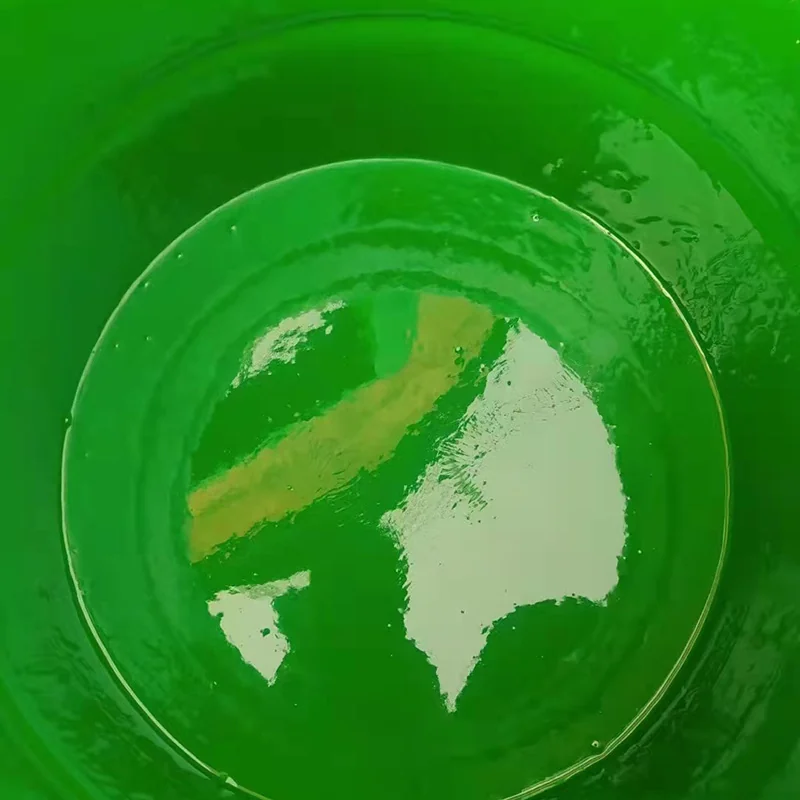
View all 8 images
From evaluation to supply
Start with a sample.
Free samples are available; freight is paid by the customer. Order quantities vary by product and packaging. Many bulk coatings start at approximately 50 kg; contact sales for a flexible starting quantity. The usual order lead time is 10–20 days after details are confirmed, with shipping time additional. Include OEM requirements in your enquiry.
Frequently asked questions
Can an epoxy glass flake data sheet be used for this product?
No. Resin chemistry is a central part of the specification. Request the technical sheet for the actual vinyl ester formulation being supplied.
Can I select the coating only from its colour?
Colour identifies appearance, not chemical suitability. The exposure conditions and complete coating system determine the selection.
Which resin version does this page describe?
The vinyl ester version. Its specification and application instructions must correspond to that resin system.
Are colour options available?
White, black and grey are listed. Other colours can be included in an order enquiry.
What should I provide for a repair project?
Photos, the existing lining type, damage extent, substrate condition, service medium and the planned preparation and shutdown window.
Discuss this product
Tell us whether the substrate is steel or concrete, the service medium and concentration, operating temperature, exposure duration, application method and required system thickness.
- sales@leadercoat.com
- Phone & WhatsApp
- +86 151 7525 6533
- Sample support
- Free samples. Customer-paid freight.