
Two different surface tasks
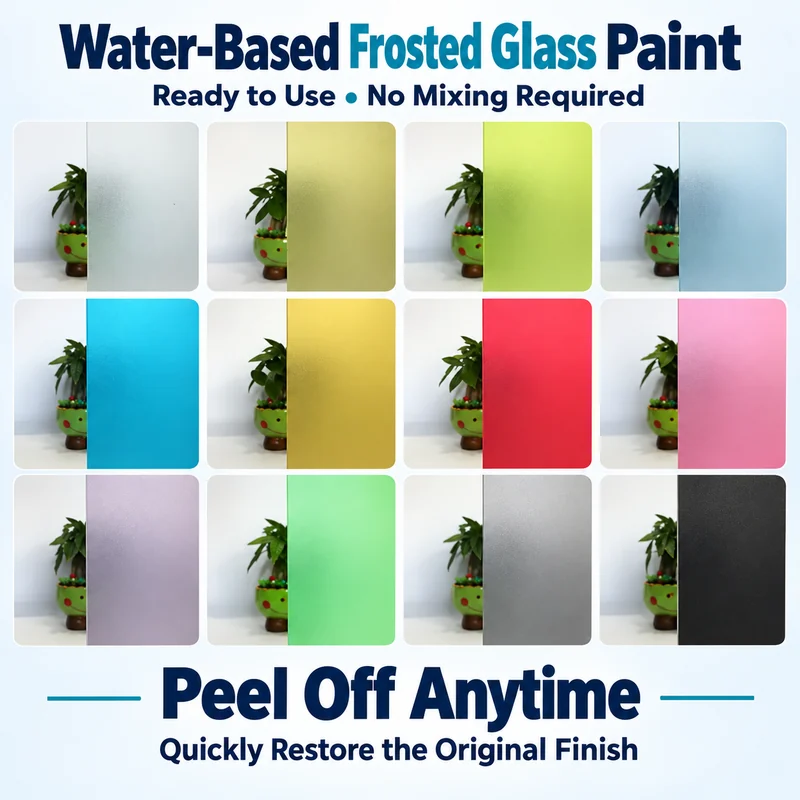
Frosted-glass coating changes the appearance and privacy of the glazing. Renovation protection is selected to protect the existing finish during work. Choose the product around the actual task rather than treating both as the same glass coating.
Check the finish before covering a large area
Assess the glass treatment, paint condition and the need for light transmission or temporary protection. Test drying and removal. Use additional protection where tools, heavy materials or impact can damage the surface.
Compare the Products
Product | Format | Selection Reference |
|---|---|---|
Water-based liquid | Two or three thin coats; 2–3 hours between coats; seven days full drying | |
300 g; 500 g; 1 kg | Renovation film; approximately 8 m²/kg for one coat | |
500 g; 1 kg | Peel-off film; 4–6 m²/kg for one coat; approximately 24 hours through dry |
Separate the privacy area from the protected area
A frosted effect changes the visual character of glazing; a renovation film protects an existing finish. On a project containing both tasks, mark each area and use the corresponding product. For privacy glass, inspect visibility from both sides under day and night lighting. For protected finishes, prioritise compatibility and removal after the work period.
Schedule glass coating around moisture
The frosted-glass product uses two or three thin coats with 2–3 hours between coats. Protect the initial finish from moisture for 24 hours and allow the listed seven-day period for full drying. Include this sequence before window cleaning, wet work or reopening a washroom. Check ventilation and room conditions rather than judging dryness only from the frosted appearance.
Organise renovation protection by surface
Prepare separate sample areas on glass, tile, painted metal and finished wood. Clean and dry each surface and identify a removal edge. The renovation product's reference coverage is 8 m²/kg per coat; texture and additional coats change the quantity. Add physical protection where tools or building materials may fall or slide. Keep a simple record of which product covers each area so the removal team uses the correct method.
Handover inspection
Remove the protection after the dirty work is complete and before final finish acceptance. Check corners, frame interfaces and textured areas for fragments. Compare colour and gloss against the uncoated trial area. For the frosted finish, inspect consistency across panes and agree the cleaning routine after full drying. Send surface photographs, area, schedule and the desired final appearance with the enquiry.
Application Questions
Can the frosted effect be approved from a colour swatch alone?
Use a coated glass sample viewed from both sides in the project lighting. A swatch does not show the complete privacy effect.
What should the removal team know?
Identify the product and protected areas, allow the required drying and start removal from the tested edge. Inspect the underlying finish before final handover.
Explore Products
Water-Based Peelable Frosted Glass Coating
Peelable Protective Coating for Renovation
Water-Based Peelable Latex Coating
Tell Us About Your Application
Surface photos; glass or finish type; area; desired visual effect; renovation duration; cleaning and removal requirements.