
Choose around the geometry and original finish
Liquid films can cover accessible curves and shaped parts. Assess the actual metal, glass, plastic or painted surface, including edges and recesses. The coating must be compatible with the original finish and removable at the intended point in the process.
Define the complete protection cycle
Record preparation, coating method, drying, expected exposure and removal. Transport protection also needs evaluation with the packing materials and storage period. Add physical packaging where impact or compression is part of the risk.
Compare the Products
Product | Format | Selection Reference |
|---|---|---|
500 g; 1 kg | Peel-off film; 4–6 m²/kg for one coat; approximately 24 hours through dry | |
5 kg; 18 kg; 200 kg; 1,000 kg IBC | Water-based polyurethane; complex-part coverage; storage 5–30°C | |
Liquid format | Welding-adjacent protection; approximately 8 m²/kg at 0.1 mm wet film | |
5 kg; 20 kg | Paint masking; match the paint chemistry and complete process cycle | |
Peelable Shipping Protection Coating for Furniture and Appliances | 20 kg | TCBV64-3 shipping film; tensile ≥10 MPa; elongation ≥100% |
Select a film for the production stage
For general smooth-surface protection, start with the latex coating. For contours and complex components, compare the dedicated irregular-part coating. For transport and packing contact, compare TCBV64-3 shipping protection. Welding and paint masking require their own process products. Record whether the next stage is assembly, painting, packaging or final handover, because that determines when and how the film must be removed.
A practical workshop sequence
Clean and dry a representative workpiece, mask restricted areas and apply with the intended production method. Inspect coverage around edges and recesses, then allow the selected grade to dry before moving or wrapping the part. Run the sample through the actual protection period, including packing contact. Remove the film at the planned workstation and record time, residue and changes to the original surface.
Compare material and process costs
Measure the coated area and material used on the trial, including overspray or material retained in the equipment. Add preparation, drying-space occupancy, handling and removal labour to the comparison. For the general latex product, 4–6 m²/kg is a one-coat reference; the required number of coats and losses increase consumption. For the shipping grade, use its own application trial rather than borrowing that coverage figure.
Acceptance before a repeat order
Agree the allowed appearance after removal, the need for a continuous peel and the maximum practical removal time for the part. Record the original finish, product grade, colour, coat pattern and environment. Preserve photographs from before coating and after peeling. These details give the next batch a usable reference and help identify whether a problem comes from the film, preparation or a changed underlying finish.
Application Questions
What if the film tears during removal?
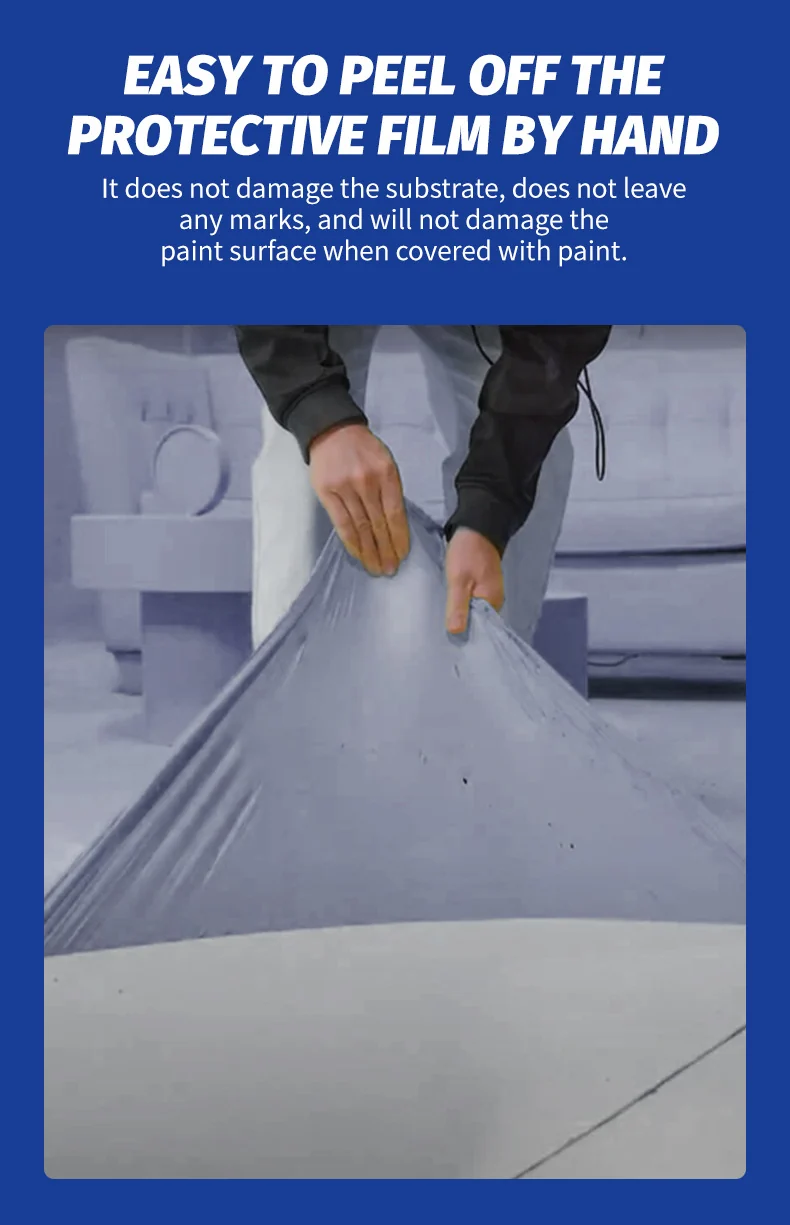
Inspect thickness and continuity at the tear location, then check the original finish and exposure record. Repeat the trial with a controlled change to the relevant application condition.
Can one coating protect every part in a mixed batch?
Test each substrate and original finish. A shared part shape or packing method does not establish equal compatibility.
Explore Products
Water-Based Peelable Latex Coating
Peelable Protective Coating for Irregular-Shaped Parts
Heat-Resistant Peelable Welding Protection Coating
Heat-Resistant Peelable Paint Masking Coating
Peelable Shipping Protection Coating for Furniture and Appliances
Tell Us About Your Application
Substrate and finish; component photos; protection period; process temperature or chemical contact; application method; planned quantity.