
Prepare representative samples
Use the same substrate and finish as the intended work. If the job includes several paint systems or surface materials, test them separately. Record the surface condition and cleaning method. A smooth new test panel may behave differently from a weathered, textured or recently painted component.
Keep application conditions visible
Record the product, batch if available, application method, number of coats and drying environment. Measure film build where the project requires it. Inspect edges, corners and recessed areas for continuity. Let the coating reach the required drying condition before handling or packing.
Include the planned protection period
Expose the sample to the conditions that matter to the job, such as storage, renovation dust, packing contact or a defined manufacturing process. Avoid treating an unrelated extreme test as the sole acceptance criterion. Where heat or chemical contact is involved, use a product selected for that exact duty and the corresponding technical instructions.
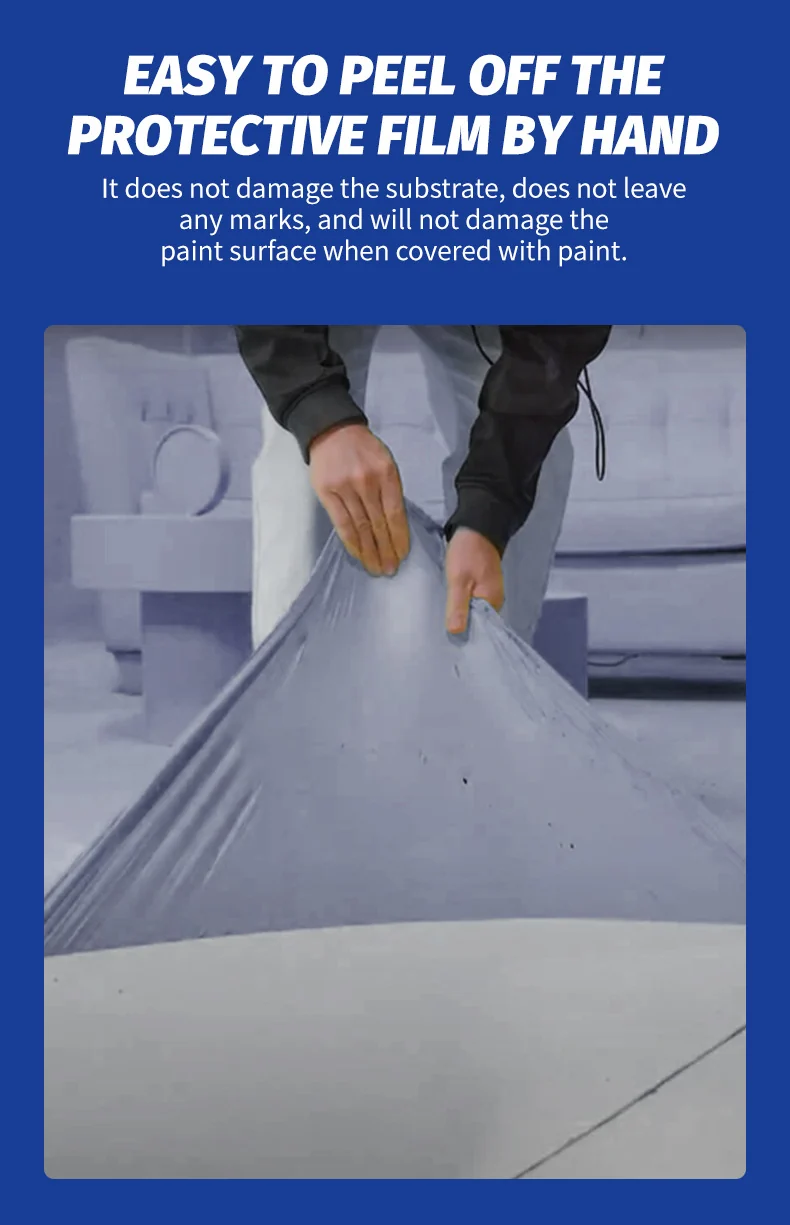
Inspect after peeling
Look for residue, gloss changes, colour transfer, damage to the original finish and fragments left in corners. Note the force and time needed to remove the film. Photographs before coating and after removal make differences easier to discuss.
Turn the result into an order requirement
Send the application record, photographs and observations with the product and quantity request. Include any change needed in colour, pack size or application process. Free samples are available with customer-paid freight; the trial conditions help determine which material is useful to evaluate.
A record that can be repeated
Stage | Record | Inspect |
|---|---|---|
Original surface | Material, finish, age and condition | Existing scratches, weak paint, gloss and colour |
Preparation | Cleaning method and drying | Residues, moisture and loose material |
Application | Grade, batch, method, coat count and consumption | Gaps, pooling, thin edges and recesses |
Drying | Temperature, humidity, ventilation and time | Handling readiness and film continuity |
Exposure | Duration, packing contact and process conditions | Damage, lifting and contamination |
Removal | Method, time and starting edge | Residue, fragments and changes to the original finish |
Use photographs at the same stage and lighting where practical. Keep the untreated comparison area protected from unrelated damage.
Distinguish touch dry from ready to pack
A surface can feel dry while the film below is still developing. For example, the general latex coating lists approximately 30 minutes surface drying and 24 hours through drying. The furniture liquid lists 20–30 minutes surface drying and 40–60 minutes film formation. These are different product references and should remain separate. If packing is part of the process, assess the film under actual wrapping contact and pressure before setting a production packing interval.
Include difficult features deliberately
Choose a sample with the geometry that causes work in production: a sharp return, a hole, a deep recess or a finish transition. Inspect whether the application reaches the feature and whether film can later be removed from it. If the coating leaves fragments in a functional opening, adjust the boundary or process and repeat the trial. A flat test coupon alone may miss this problem.
Use observations to improve the next trial
Describe a failure precisely. Film tearing at a thin edge, residue on one finish and damage to weak underlying paint are different observations. Record where the issue occurs, include photographs and compare with an untreated area. Change one relevant process condition at a time where practical, so the next result can be connected to the change. Once the trial is accepted, use the recorded grade and process for the order.
Related Products
Water-Based Peelable Latex Coating
Peelable Protective Coating for Irregular-Shaped Parts
Peelable Protective Coating for Renovation
Peelable Furniture Protective Coating
Peelable Shipping Protection Coating for Furniture and Appliances